
Multi-chain Assets
Understand network differences, address formats, and confirmations instead of identifying assets by token name alone.
Learn about multi-chain networks →A multi-chain wallet, blockchain network and Web3 knowledge hub from imtoken
From multi-chain asset views, network selection, sending and receiving to DApp connections, signatures, approvals, and network knowledge, imtoken brings wallet use and safety checks into one clear path. Review the address, network, amount, and request details before every sensitive action.
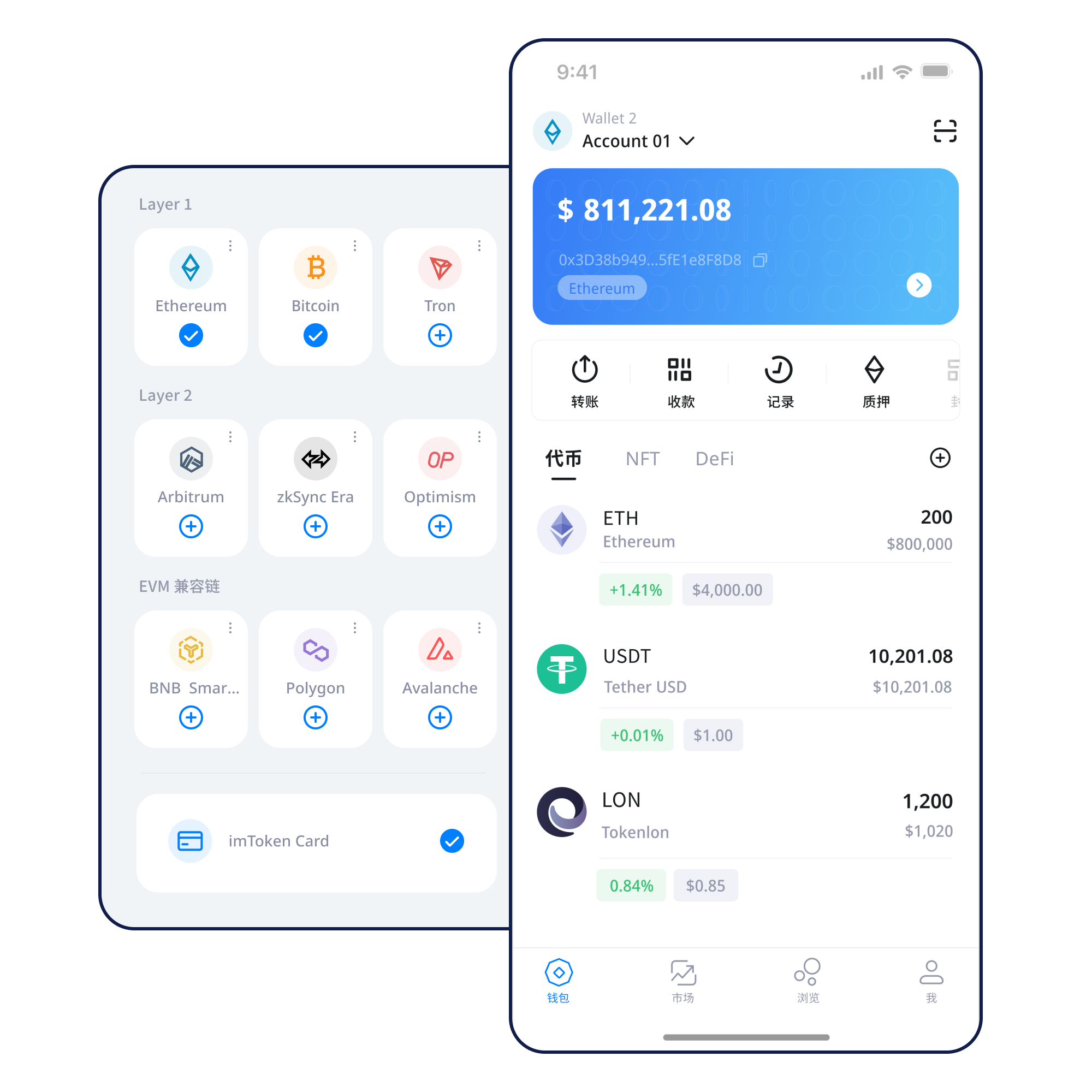
A wallet interface is the entry point. Reliable use comes from understanding networks, addresses, transaction status, and permissions.
Understand network differences, address formats, and confirmations instead of identifying assets by token name alone.
Learn about multi-chain networks →Receiving addresses, networks, amounts, gas, and transaction hashes form one complete verification chain.
Open the transfer guide →Mobile access for network management, asset views, transaction history, and DApp use.
Explore the App →Understand browser connections, account requests, approval checks, and disconnecting from services.
View Web guidance →
Keep seed phrases offline, never disclose private keys, and regularly review DApp approvals you no longer need.
Open Security Center →Each network keeps its own block state, fees, and confirmation process. Confirm the active network before checking addresses and token contracts.
Learn more →
After broadcast, a transaction moves through reception, inclusion, and confirmation. A block explorer can independently verify the result.
Understand public chains →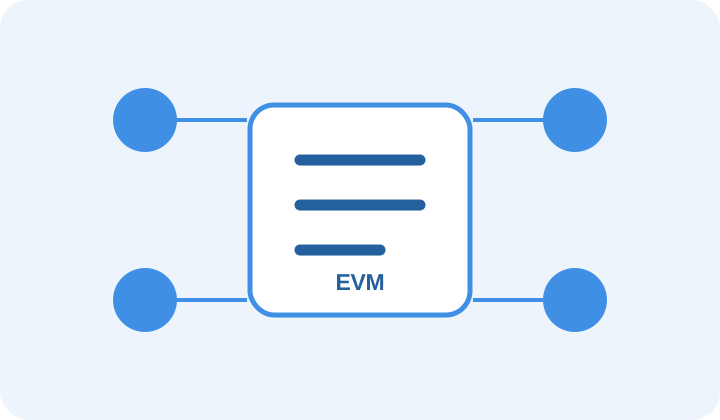
EVM-compatible networks can share a technical model while maintaining separate assets, gas markets, and contract state.
Explore EVM →
Bridges, exits, and arrival confirmation may involve several stages. “Submitted” at one stage does not prove the entire flow is complete.
Learn Layer 2 →Gas reflects network execution cost; confirmations describe how a transaction is recorded and becomes increasingly settled.
Open the gas guide →Use the unified download entry and avoid unknown installation files from untrusted pages.
Confirm the account source and never type sensitive recovery data into a routine website flow.
Protect the seed phrase and never disclose private keys or verification codes.
Match the asset network, address format, and expected fee environment.
Review the address, network, amount, and gas; consider a small test when appropriate.
Use the transaction hash to verify results and periodically remove approvals you no longer need.
Connecting a wallet does not mean you should accept every signature request. Review the domain, account, network, request target, and permission scope each time.
Open the Web3 guide →Users remain responsible for seed phrases and private keys, and official personnel should never request them. Independently verify transfers, signatures, approvals, unfamiliar links, and support claims. Third-party DApps and smart contracts can carry risk, and on-chain transactions usually cannot be reversed unilaterally by a wallet.
Open Security Center →An address receives assets, seed phrases and private keys relate to account control, the network determines where a transaction executes, gas pays network costs, and a transaction hash helps verify the on-chain result. Web3 adds another layer: connections, signatures, and token approvals are different actions and should be reviewed separately.
Read the beginner guide →Understand Ethereum PoS, validator responsibilities, reward sources, network status, withdrawal, and exit mechanisms. Staking does not guarantee returns, rewards can change, and exits may involve waiting.
Learn Ethereum staking →Validators can face network penalties, smart contracts have technical risk, digital assets can be volatile, and third-party services create independent risks. Participation should reflect your own circumstances.
Understand validators →No. Never send a seed phrase, private key, or wallet verification code to anyone.
Similar address formats can exist across networks while asset state remains separate.
It lets you inspect transaction status, block data, fees, and interactions in a block explorer.
No. Connection, signing, and approval are different actions and each request should be reviewed.
No. Rewards can change, exits can involve waiting, and validator or contract risks may apply.
A cross-layer flow can involve a source chain, bridge state, and destination chain.
Usually not. Address, network, and amount checks are especially important before broadcast.
After download, back up first, then learn the network, transfer, DApp, and approval checks that support safer use.